_edited_edited.png)


Discover the Art of Fine Jewelry Craftsmanship
- robert wolchuk
- Jul 24, 2025
- 3 min read

Exploring the world of fine jewelry craftsmanship can be a mesmerizing journey. This intricate art form combines creativity, skill, and originality to produce stunning pieces that are more than just accessories—they're expressions of individuality and stories told through delicate designs. In this blog post, we will take a closer look at the elements that go into fine jewelry craftsmanship, what makes certain brands and pieces stand out, and how to identify exquisite craftsmanship in every piece of jewelry.
Understanding Fine Jewelry Craftsmanship
Fine jewelry craftsmanship is an extensive process that includes various stages, such as design, material selection, and the actual crafting of the piece. Artisans who specialize in fine jewelry must possess a keen eye for detail, a solid understanding of materials, and a unique touch that sets their work apart.
The Design Process: Craftsmanship begins with an idea. This is where the jewelry designer creates sketches, choosing shapes, sizes, and materials that will convey the intended message of the piece. Often, inspiration comes from nature, art, architecture, or personal experiences.
Materials Matter: High-quality materials are essential to creating fine jewelry. The precious metals used, such as gold, silver, or platinum, greatly influence the overall value. Likewise, gemstones must be carefully selected not only for their appearance but also for their durability. Designers often choose ethically sourced options to appeal to conscious consumers.
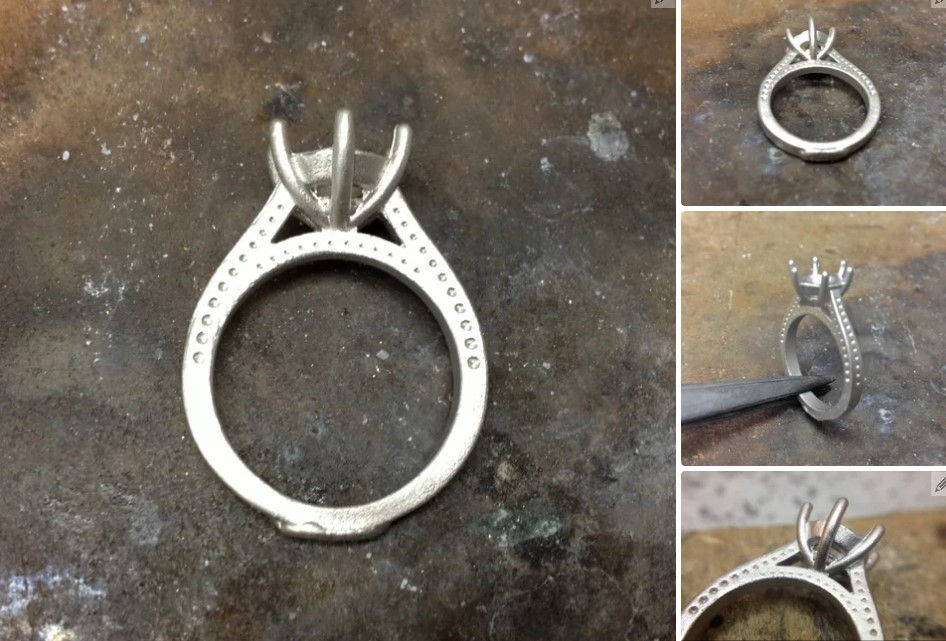
The Making: The actual construction of the jewelry can involve numerous techniques, including casting, stone setting, and polishing. Each method requires specialized skills. For instance, hand-stamping and engraving can add a personalized touch to a piece, while precise stone setting showcases the gem's brilliance.
The Time and Labor Involved
Creating fine jewelry is labor-intensive. It may take several weeks or even months to craft a single piece, depending on its complexity. Each step is carefully executed, reflecting the artisan's dedication to quality and detail.
Skill Levels: Many jewelry makers undergo years of training to hone their skills. Techniques are often passed down through generations, meaning fine craftsmanship can be rooted in tradition.
Patience and Precision: An artisan must be patient and precise, as even the smallest mistake can ruin a piece. This love for the craft transforms simple materials into extraordinary works of art.
Quality Control: Before a piece reaches a customer, it goes through rigorous quality control. This ensures that every item meets high standards, from the fit of a clasp to the shine of a gem.

How to Identify Fine Craftsmanship
When shopping for fine jewelry, you want to ensure that you're investing in pieces that exhibit real craftsmanship. Here are some tips to help you recognize quality:
Check the Details: Fine jewelry should have a consistent finish with smooth surfaces and well-finished edges.
Look for Hallmarks: Reliable brands often include hallmarks that indicate the metal quality and authenticity. Learn how to identify these to ensure you’re purchasing genuine materials.
Assess the Weight: Genuine fine jewelry typically has some weight to it. If a piece feels too light, it may be made from lower-quality materials.
Examine Stone Settings: Quality gemstones should be securely set, not rattling within their settings. This not only keeps them safe but also enhances the overall appearance.
In finding a piece that resonates with you, consider this journey as more than a transaction; it’s an investment in artistry, craftsmanship, and heritage—each piece tells a story that reflects the careful work of the artisan behind it.
Selecting the Perfect Piece
Choosing fine jewelry involves more than just picking something pretty; it’s about finding a piece that aligns with your style and values.
Consider Versatility: Beware of buying something that won’t suit multiple occasions. Look for items that can transition from day to night and pair well with various outfits.
Know Your Style: Are you classic, bohemian, or modern? Jewelry should reflect your personality, so take time to understand your style preferences.
Understand Care Instructions: Fine jewelry often requires specific care and maintenance. Research how to keep your pieces looking pristine and consider these factors before making a purchase.
Budget Wisely: While it's tempting to splurge, establishing a budget helps you navigate without overspending. Remember, quality often comes at a price, so invest wisely.
Seek Expert Guidance: Don’t hesitate to ask questions when shopping. A knowledgeable salesperson can help guide you through the craftsmanship and quality of different pieces.
In conclusion, fine jewelry craftsmanship is a beautiful blend of art, science, and emotion. Each piece tells a story, reflecting the dedication of the artisan and the quality of the materials used. By understanding what to look for and appreciating the intricate techniques that create fine jewelry, you can better appreciate the value behind each creation. Whether you're selecting jewelry for yourself or a loved one, this appreciation can transform a simple purchase into a cherished heirloom that lasts a lifetime.


